
Pursuing higher education and landing scholarships
Contributors: Eric Endlich & Jacob Nyamu
Both autistic and nonspeaking, David Teplitz and Hari Srinivasan defied the odds by graduating from the University of California, Berkeley with high GPAs. Their journeys demonstrate that with the right tools, environment, and determination, autistic students of all communication styles can excel in higher education.
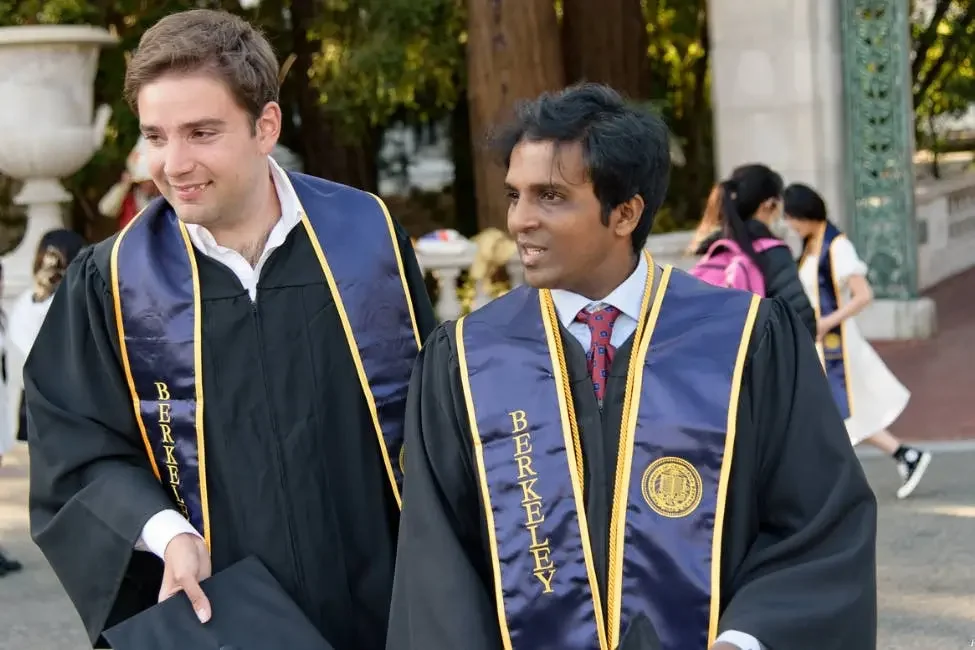
David Teplitz and Hari Srinivasan make history at U.C. Berkeley as the first nonspeaking autistic graduates.
Founded in 2017, Top College Consultants helps students with autism, ADHD or other learning differences navigate college admissions. They’ve worked with students around the world to help them find the right fit and get accepted into hundreds of universities. Top College Consultants maintains a database of neurodiversity-friendly colleges, sortable by state. Moreover, they have a regularly updated list of autism/neurodiversity scholarships and internships.
While pursuing higher education is not the only pathway to success in life, it’s still a proven way of elevating one’s self efficacy among other aspects in life. This toolkit is meant to help you on your journey of pursuing higher education.
Benefits of pursuing higher education for autistic adults:
As an adult on the autism spectrum, pursuing higher education has the following benefits:
Encourages critical thinking and problem solving.
Expands career opportunities and earning potential.
Reinforces your self advocacy skills.
Provides you exposure to diverse perspectives and ideas.
Fuels your personal fulfillment and intellectual curiosity.
Trackers:
Applying for programs has many moving pieces. Having a tracker can help you stay on track with upcoming submissions and deadlines. Check these trackers out;
AppTrack - https://www.apptrack.ai/
Get Schooled - https://getschooled.com/article/3298-college-application-requirements-tracker/
Hello College - https://sayhellocollege.com/college-tracker/
Templates from Notion - https://www.notion.com/templates/category/school-applications?srsltid=AfmBOortdZHB7nbhe1N3X7iOmnlaq4BPJf99vye3TLVj2b-veUOZWY06
Using AI to your benefit:
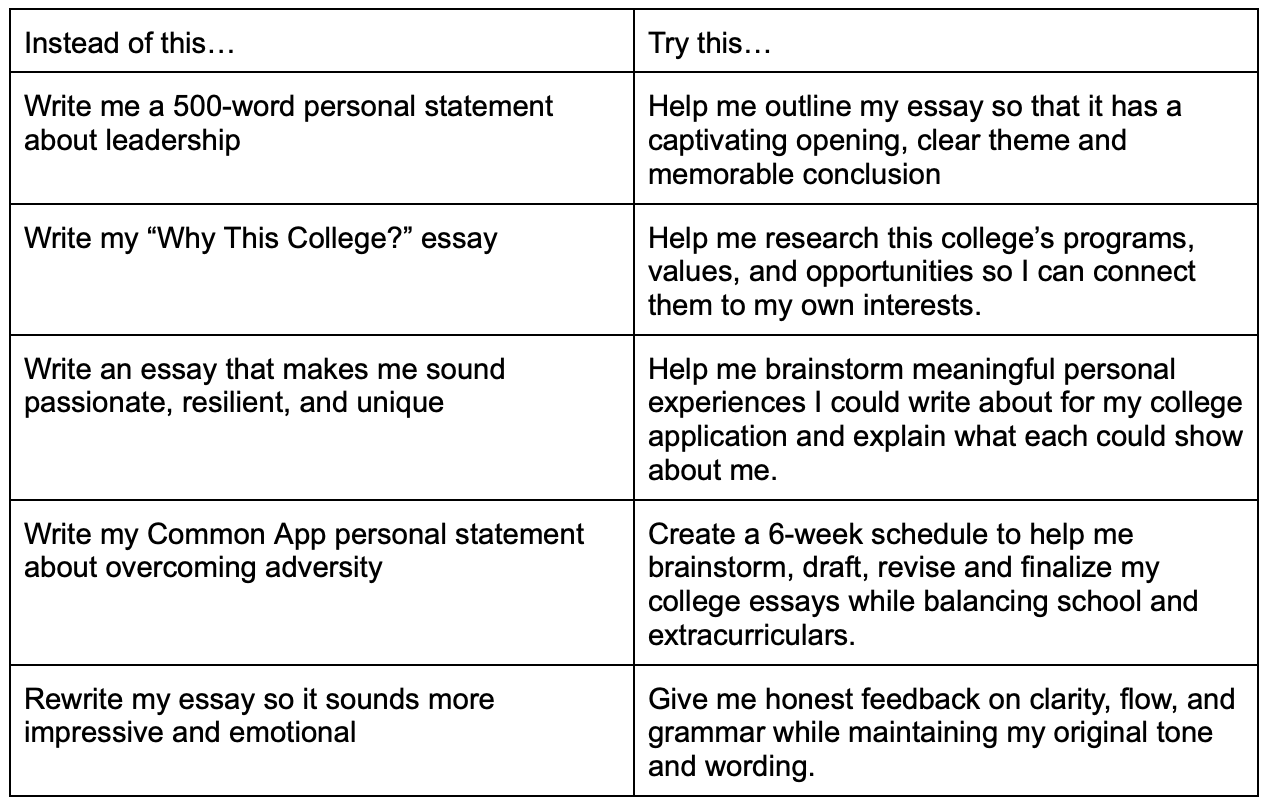
Using AI to write application essays can be tempting but it ultimately does more harm than good. Admission officials are looking for your story, your voice and your way of thinking. When AI writes essays for you, it strips away your individuality and self reflection that would make your application even more compelling.
Consider fine-tuning your prompts as shown below;
Mental health
Applying for college and scholarships can be overwhelming. We recommend you intentionally prioritize your mental health throughout the process. Consider these practical recommendations;
Have a weekly non-application “anchor” activity e.g., gym, volunteering, cooking, art, journaling, nature walks, meditation, talking to others or even watching kitten videos.
Treat sleep as a non-negotiable requirement, not a reward.
Practice outcome-neutral self talk; “my effort, growth and self worth isn’t defined by the college’s decision”
Set aside one “application-free” day each week.
Designate one “low-effort” win for foggy brain days e.g., writing just one paragraph, proofreading drafts, completing a section of an application.
Disclosure Dilemma
Students with disabilities often face a dilemma when deciding whether to disclose their diagnosis on college applications. This is a personal choice, and disclosure doesn’t inherently impact admission chances.
Disclosure can be beneficial in explaining inconsistencies in applications, such as irregular grades, multiple school transfers, or missing coursework due to accommodations. It also provides context for academic improvement after receiving appropriate support, reassuring admissions staff of the student’s future success. The Common App includes an additional information section specifically for this purpose.
For some students, disability is an integral part of their identity and can be meaningfully incorporated into an admissions essay. Strong applications often showcase growth, strengths, and valuable lessons learned.
Regardless of whether disclosure is made during the application process, students should reach out to the college’s Disability Services (or Accessibility/Student Access Office) after acceptance. Submitting documentation and arranging accommodations early ensures that support is available if needed, laying the groundwork for a successful college experience.
Eric Endlich, Founder of Top College Consultants was a guest speaker at the Philadelphia Autism Conference in 2023. In his presentation, he delved deep into navigating this deep and personal dilemma of disclosing one’s autism diagnosis. You can watch the entire presentation below;
It's never too late to apply for that degree or master's program you've been considering. Many people find themselves at a crossroads later in life, realizing that their true passions lie in fields yet unexplored. Embrace this moment of uncertainty as an opportunity for transformation. Age should be seen as an advantage; with experience comes wisdom and resilience.
Great-grandma of 15, Annette Roberge, graduated from Southern New Hampshire University with her Associates Degree at 90 years old.
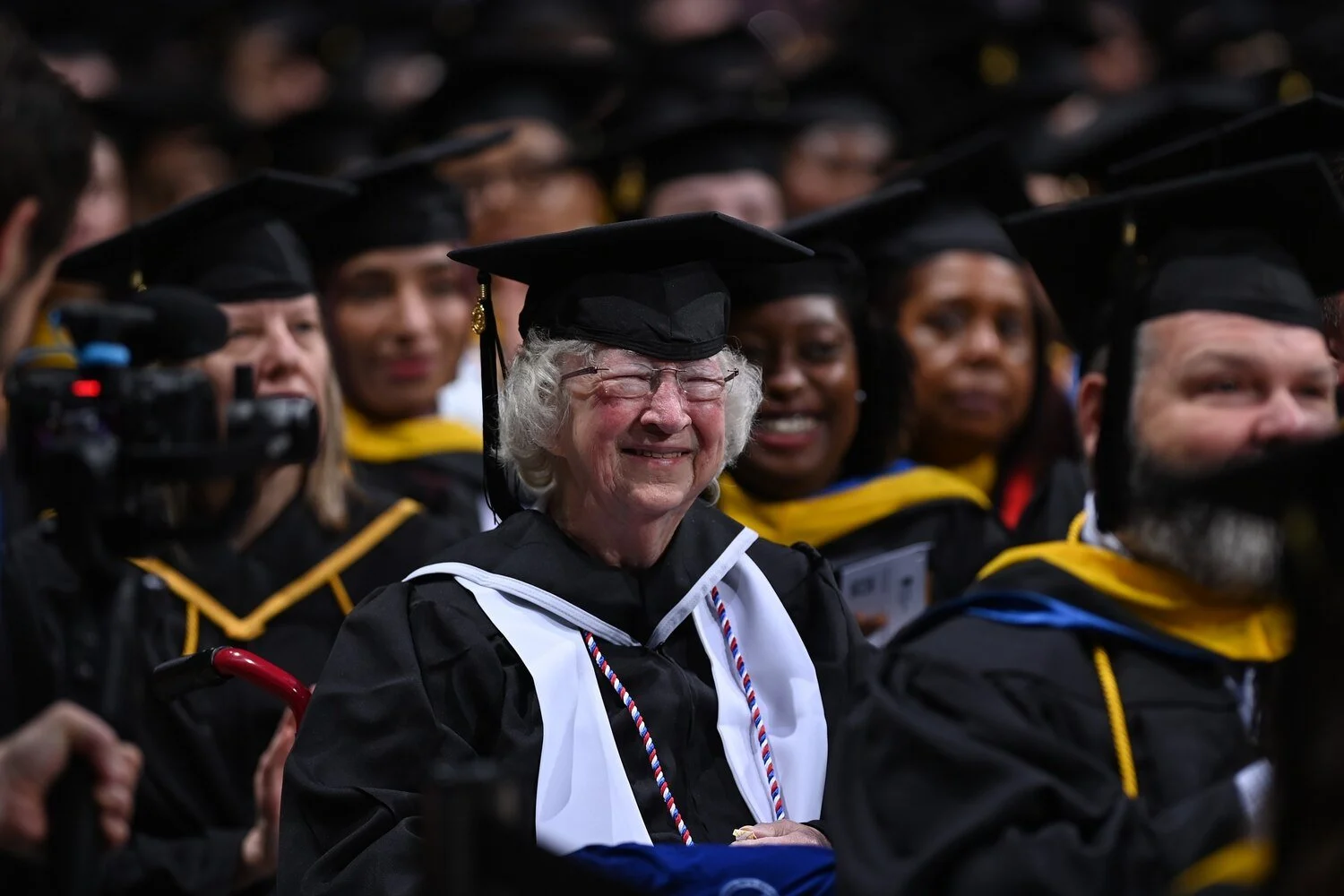
Annette Roberge graduated from Southern New Hampshire University at 90 years of age in November 2024.
Taking the leap into higher education is a courageous step toward regaining control over your career. Each challenge you face only adds depth to your character and enhances your ability to navigate academics. Be proud of how far you’ve come; your journey reflects perseverance and dedication. Countless individuals have successfully pursued degrees or shifted careers later in life, and their stories can inspire you. If they can do it, so can you! Embrace your dreams and know that you have the capability to succeed in your educational endeavors.